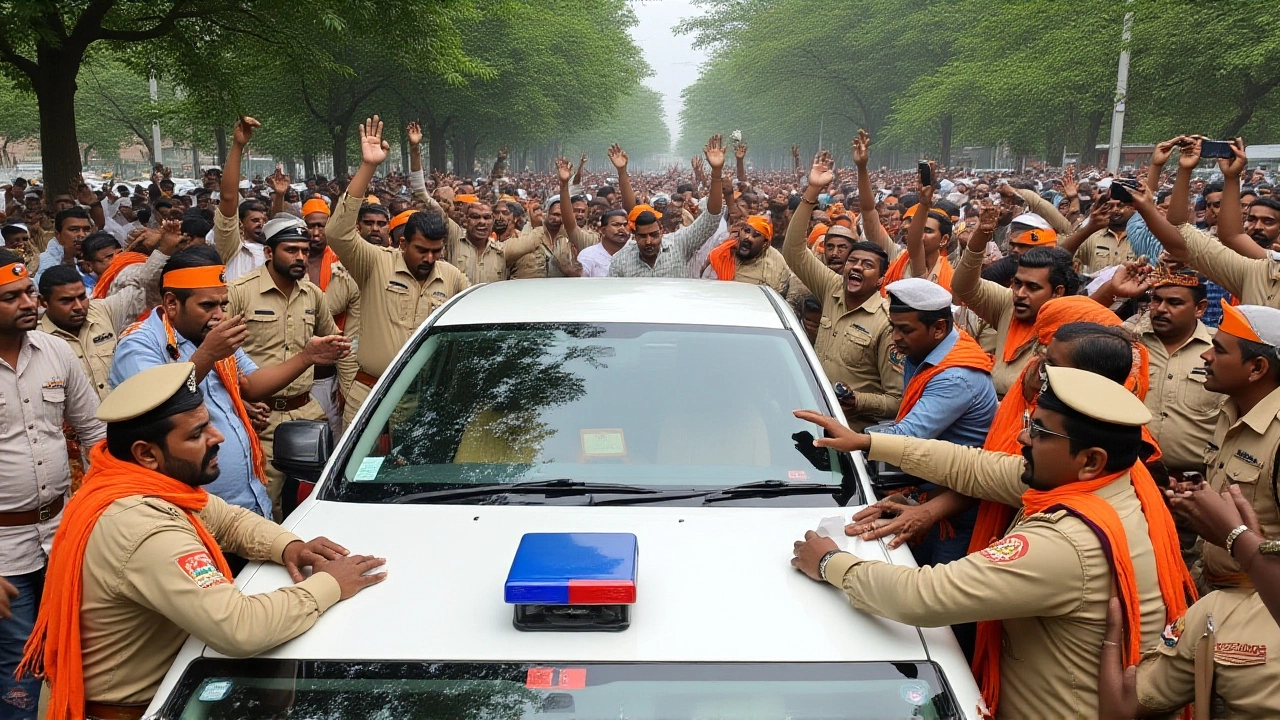
Political tensions boiled over in Varanasi on Monday as members of the Indian National Congress staged a fiery demonstration outside the district headquarters. The protest was a direct retaliation for an earlier incident where activists from the ruling Bharatiya Janata Party (BJP) burned effigies of senior Congress leaders. In a move that has drawn sharp criticism and praise depending on your political leaning, Congress workers set alight photographs of Prime Minister Narendra Modi, Uttar Pradesh Chief Minister Yogi Adityanath, and Union Education Minister Dharmendra Pradhan.
Here’s the thing: this isn’t just another routine street clash. It represents a significant escalation in the rhetoric between India’s two largest political parties. The Congress leadership described the initial burning of their leaders' effigies as a grave insult to the opposition, claiming it violated democratic decorum. Their response? A mirror image of aggression, targeting the highest offices in the land.
A Tit-for-Tat Escalation
The sequence of events unfolded rapidly. Earlier, BJP activists had organized a protest against comments made by Rahul Gandhi, the Leader of the Opposition in the Rajya Sabha (Upper House). During that gathering, they burned effigies of Gandhi and Ajay Rai, the state president of the Congress party in Uttar Pradesh.
Congress leaders argued that attacking the symbols of elected representatives crosses a line. "The BJP has torn apart democratic norms," local reports cited Congress officials saying. They insisted that while the opposition respects democratic processes, the ruling party is resorting to what they termed "politics of hatred." So, on Monday, Congress workers gathered at the same location—the district administration building—to deliver what they called a "democratic answer" by burning images of the top three figures in power: the Prime Minister, the State Chief Minister, and a key Union Cabinet minister.
Local Leadership Takes Charge
The protest wasn't just a spontaneous mob action; it was coordinated by local party machinery. Raghavendra Choube, the president of the Greater Varanasi Congress Committee, played a pivotal role in organizing the demonstration. He stood firm in his condemnation of the BJP's actions.
"Burning the effigies of Rahul Gandhi and Ajay Rai was an insult to the Congress leadership," Choube stated publicly. "We have responded in a democratic manner." His presence signaled that the state unit of the party is mobilizing aggressively to counter the BJP’s dominance in Uttar Pradesh, a state crucial for any national election strategy.
Broader Political Context
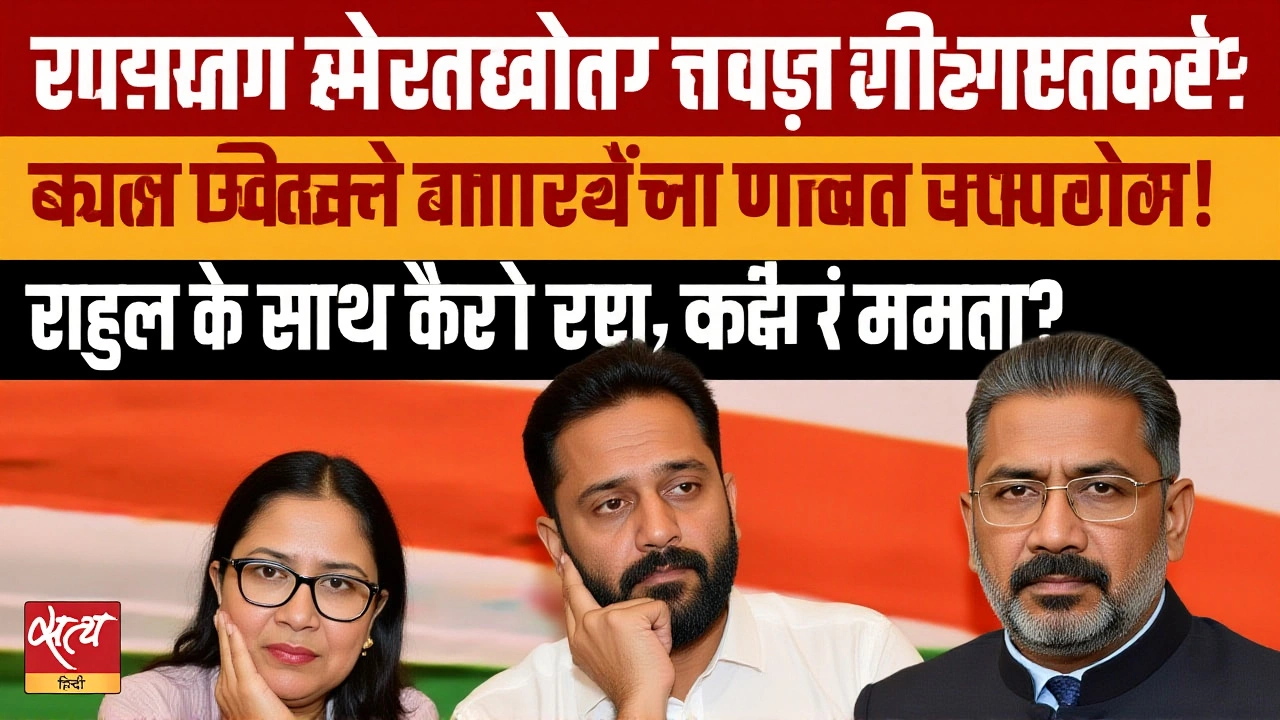
This incident doesn't exist in a vacuum. Similar unrest has been reported across Uttar Pradesh and Bihar, suggesting a coordinated push by both parties to rally their bases ahead of upcoming electoral cycles. Video reports circulating online described the situation as a "fierce uproar" against the "Modi & Company" narrative in these northern states.
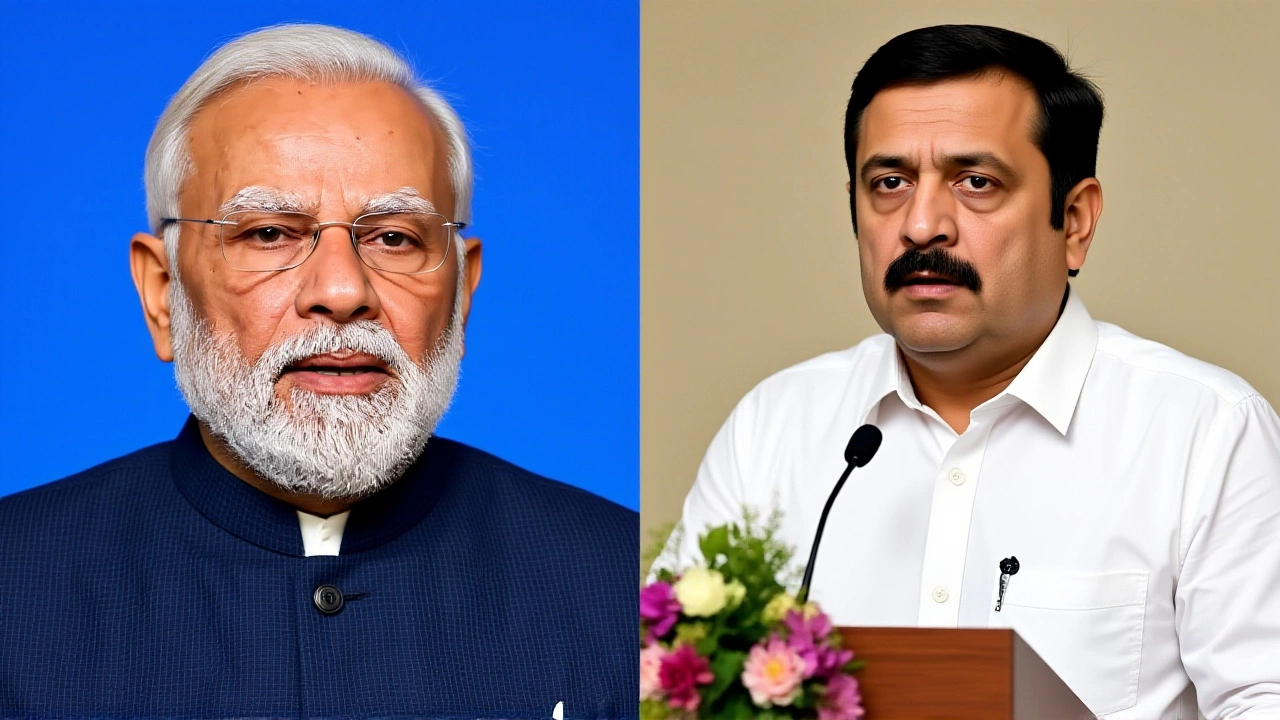
The involvement of Dharmendra Pradhan in the target list is particularly interesting. As the Education Minister, he is often at the center of debates regarding curriculum changes and cultural politics in schools. Burning his image alongside Modi and Yogi suggests Congress is trying to link federal education policies with state-level governance issues, painting them as part of a single ideological package.
What This Means for Democracy
Critics argue that burning images of sitting government officials sets a dangerous precedent. Supporters, however, view it as a legitimate form of dissent in a vibrant democracy. The details remain unclear on whether any arrests were made during either protest, but police presence was reportedly heavy to prevent physical altercations.
For voters in Varanasi—Modi’s own constituency—this spectacle adds another layer of complexity to the political landscape. It’s not just about policy differences anymore; it’s becoming a battle of symbols and respectability. As one observer noted, "When effigies become currency, the real issues get lost in the smoke."
Frequently Asked Questions
Why did Congress burn photos of Modi and Yogi?
Congress burned the photos in retaliation for an earlier protest by BJP activists who burned effigies of Rahul Gandhi and Ajay Rai. Congress leaders claimed this was a necessary "democratic response" to what they viewed as an insult to their leadership and a violation of political decorum.
Who are the key figures involved in this conflict?
The primary figures include Rahul Gandhi (Congress Leader of Opposition), Ajay Rai (UP Congress President), Raghavendra Choube (Greater Varanasi Congress President), Narendra Modi (Prime Minister), Yogi Adityanath (UP Chief Minister), and Dharmendra Pradhan (Union Education Minister).
Where exactly did this protest take place?
The protest took place outside the district headquarters in Varanasi, Uttar Pradesh. This location was chosen because it is an administrative center and the same site where the initial BJP protest had occurred, allowing Congress to claim they were answering at the "same place."
Is this violence limited to Varanasi?
While this specific incident occurred in Varanasi, reports indicate similar political unrest and protests involving both parties have been seen across Uttar Pradesh and Bihar. This suggests a broader regional trend of heightened political polarization in northern India.
What is the BJP's stance on these protests?
The BJP initially organized protests against comments made by Rahul Gandhi. While specific statements regarding the subsequent burning of Modi's photo were not detailed in the immediate reports, the party generally frames such opposition actions as attempts to destabilize the government and incite communal or political discord.