Global crude oil markets sent a jolt through the financial world on May 14 as West Texas Intermediate (WTI) crude broke the psychological barrier of $100 per barrel for the first time in months. The benchmark U.S. grade closed at a sharp $101.583, while its international counterpart, Brent crude, held steady at the formidable $106 level.
This isn't just another daily fluctuation. It’s a signal that supply constraints and geopolitical tensions are squeezing margins tighter than ever before. For drivers, logistics companies, and policymakers alike, these numbers mean immediate pressure on inflation and operational costs.
The Numbers Behind the Spike
Let’s look at what actually happened under the hood. On May 14, WTI didn’t just creep up—it jumped. The closing price of $101.583 represented a daily gain of 0.56% compared to the previous session. That might sound small in percentage terms, but in absolute dollar value, it’s a significant move when you’re dealing with billions of barrels traded globally.
But here’s the real story: the weekly trend is far more aggressive. Over the past seven days alone, WTI has surged by 6.89%. That kind of momentum doesn’t happen in a vacuum. It suggests sustained buying pressure from hedge funds, strategic reserves replenishment, or perhaps fears of impending supply disruptions.
Brent crude, which serves as the global benchmark for roughly two-thirds of the world’s physically traded oil, remained anchored at $106 per barrel. The word “stable” in the original report is doing heavy lifting here. In volatile markets, stability at such high levels often indicates strong underlying demand rather than lack of movement. Traders aren’t panic-selling; they’re holding firm, expecting further upside.
Why This Matters Beyond the Ticker Tape
You don’t need an economics degree to see why this hits home. When crude crosses $100, ripple effects spread quickly:
- Airline tickets become pricier as jet fuel costs rise.
- Shipping rates climb, affecting everything from imported groceries to electronics.
- Plastic manufacturing faces higher raw material costs since most plastics are petroleum-derived.
- Central banks may delay interest rate cuts if energy-driven inflation persists.
Interestingly, year-over-year comparisons were mentioned in the source report—but without specific figures. That omission itself tells us something: analysts are likely waiting for clearer signals before committing to long-term forecasts. The details are still unclear, but the direction is unmistakable.
What’s Driving the Rally?
No single factor explains this surge. Instead, it’s a perfect storm of converging pressures:
First, OPEC+ production cuts continue to tighten global supply. With major producers like Saudi Arabia and Russia maintaining disciplined output limits, there’s less buffer against unexpected demand spikes. Second, inventory data from the U.S. Energy Information Administration (EIA) showed consecutive draws in strategic reserves last week—a rare sight that spooks sellers.
Then there’s geopolitics. Tensions in key shipping lanes—particularly around the Red Sea and Strait of Hormuz—have forced vessels to take longer routes, adding both time and cost to deliveries. Even minor disruptions can trigger outsized price reactions when supplies are already tight.
And let’s not forget seasonal demand. Summer driving season in North America typically boosts gasoline consumption, which directly increases refining demand for crude. Combine that with industrial activity picking up in Asia post-holiday slowdowns, and you’ve got a recipe for upward pressure.
Expert Perspectives and Market Sentiment
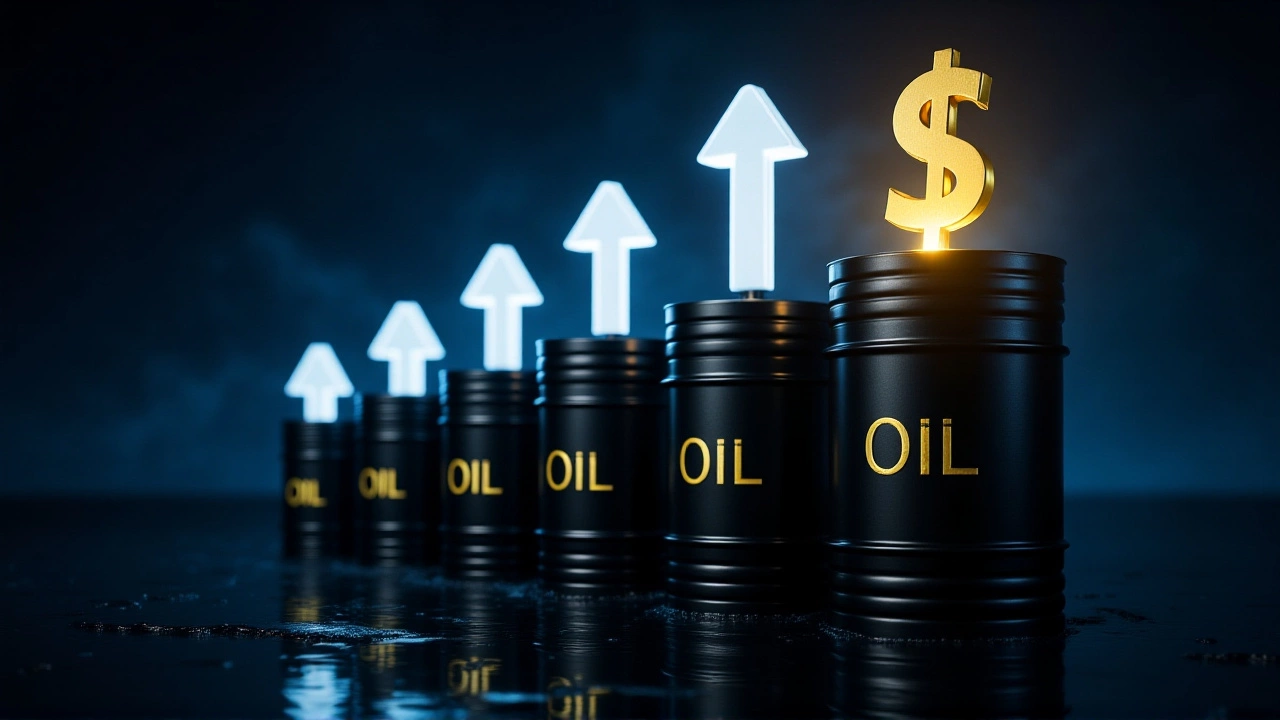
While no named expert was quoted in the original report, market behavior speaks volumes. Futures contracts extending into late 2026 show traders pricing in continued volatility. According to data from platforms like Trading Economics, models project crude could reach $98.72 by quarter-end and potentially climb to $114.39 within 12 months—if current trends hold.
That projection isn’t guaranteed, of course. Oil markets are notoriously sensitive to sudden shifts in policy, weather events, or technological breakthroughs in alternative energy. But right now, sentiment leans bullish.
One thing’s certain: institutional investors are positioning themselves accordingly. Large-scale purchases by sovereign wealth funds and pension plans suggest confidence that prices won’t retreat anytime soon. Retail traders, meanwhile, are watching closely, knowing that every dollar above $100 amplifies risk exposure.
Historical Context: How Rare Is This?
To put things in perspective, the last time WTI consistently traded above $100 was during the post-pandemic recovery boom of 2022. Back then, rapid economic reopening collided with constrained supply chains, creating similar conditions to today’s environment.
Before that, we had the 2008 peak near $147, followed by the crash to negative prices in 2020 due to pandemic-induced demand collapse. Those extremes remind us how fragile equilibrium can be in commodities markets. Right now, we’re somewhere between those poles—not quite crisis mode, but definitely not comfort zone either.
The fact that Brent remains stable at $106 despite broader uncertainty underscores its role as a stabilizing force in global trade. Many contracts worldwide reference Brent, so its steadiness provides some predictability amid chaos elsewhere.
What’s Next? Key Dates to Watch
If you’re tracking this space, mark your calendar for three critical upcoming events:
- OPEC+ Meeting (Late June): Any announcement about extending or relaxing production quotas will immediately impact prices.
- EIA Weekly Inventory Report (Every Wednesday): A surprise drawdown could push WTI even higher; a build-up might cool enthusiasm.
- Federal Reserve Policy Statement (July): Interest rate decisions influence currency strength, which affects dollar-denominated commodities like oil.
Also keep an eye on geopolitical developments in Eastern Europe and the Middle East. Conflicts there have historically triggered short-term spikes—even if temporary.
Frequently Asked Questions
How does rising oil affect everyday consumers?
Higher crude prices translate directly into increased gasoline and diesel costs at the pump. Since transportation fuels make up a large portion of household budgets, families spend more commuting and traveling. Additionally, goods shipped via truck or air become more expensive, leading to subtle price hikes across retail sectors—from food to clothing.
Will oil prices stay above $100 for long?
It depends on several factors including OPEC+ discipline, global economic growth, and potential new discoveries or technologies boosting supply. While current projections suggest elevated prices through mid-2026, sudden changes in demand (like recession fears) or increased non-OPEC production could bring relief sooner than expected.
What’s the difference between WTI and Brent crude?
WTI is lighter sweeter crude produced primarily in the United States, mainly used domestically. Brent is heavier sour crude extracted from the North Sea and serves as the global pricing benchmark. Because Brent reflects international flows, it tends to carry a premium over WTI during periods of global tension or logistical bottlenecks.
Could renewable energy curb future oil price surges?
Long term, yes. As electric vehicles gain market share and solar/wind capacity expands, structural demand for oil may decline. However, transition timelines vary widely by region. Until alternatives achieve scale comparable to fossil fuels, oil will remain central to global energy systems—and thus vulnerable to periodic spikes driven by supply shocks.
Should I adjust my investment strategy based on these prices?
Only if your portfolio includes energy-related assets. Direct holdings in oil stocks or ETFs may benefit from rising prices, but hedging strategies should consider volatility risks. Diversification remains key—don’t bet everything on one commodity cycle. Consult a financial advisor tailored to your personal goals and risk tolerance.